View your poo

I was encouraged to write this when I heard a listener on the radio ask a health professional how they would know they had a healthy gut. “Look at your poo!”, was the reply. Are you ready to do this?

(It’s an earthy colour this week.)

In one early blog, I featured the song clip “Everything Comes Down to Poo” from the old TV series Scrubs. Listen again to the lyrics.

Advertisers love to tell us how to keep our bowels regular. You must have seen ads targeting the over 55s having spoonfuls of fibre granules … which appear to miraculously keep you “going”, and happy enough to frolic outdoors the next day! 

In ’60s and ’70s Singapore, “BMs” were a very serious subject. “How are your bowel motions?” was the first thing doctors asked patients. My mother chose to call them “big-ones”, and she wasn’t the only one.

“Did you do ‘big-ones’ today?” 

If “Yes”: “Was it hard or soft?”

If “No”: “Wait till tomorrow – if it doesn’t come, I’ll give you Magnesia!” 

But regardless of whether we “did” or “didn’t”, 6-month enemas were mandatory at Gran’s. Thankfully, she got tired of chasing me and we stopped after the second … 

When I was 7, in Singapore’s General Hospital for a tonsillectomy, nurses greeted patients with “Did you do BM this morning?” I had to lie and say “Yes”, or they would return with a bedpan with that awful nozzle-and-bulb pink enema. These days, medical practitioners only ask if they think it’s relevant.  

But did you know that even if our problem isn’t related to our colons, our stools give vital clues to our health

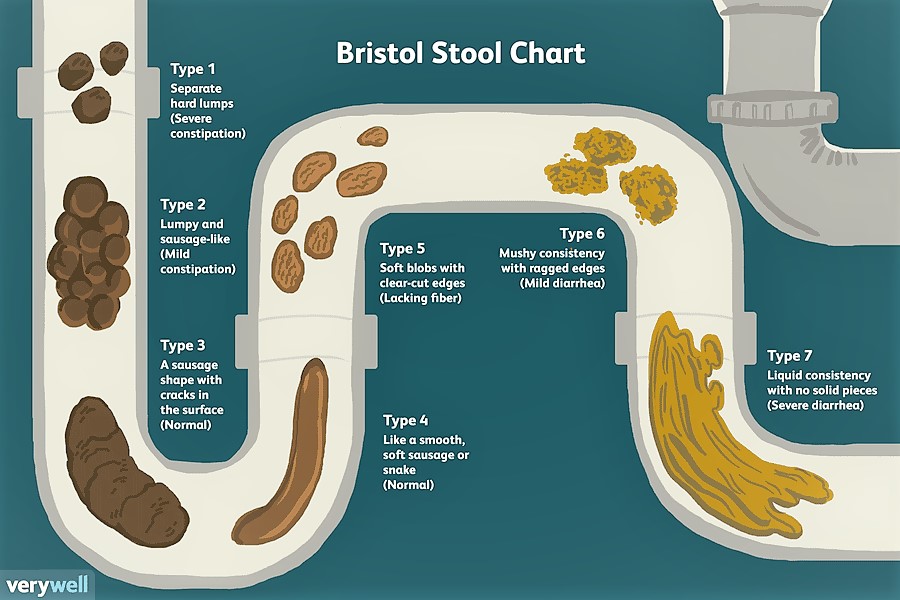
I later discovered the Bristol Stool Chart in the children’s book Your Growling Guts, which I highly recommend grown-ups read as well. 

So – do you do Type 3 or 4? Or maybe 5, 6 or 7? And what’s the colour? Stools should be brown or slightly darker. If black, seek medical attention immediately. 

(Always make sure your toilet bowl is white and clean beforehand, and only use clear toilet bowl cleaners). 

I was a habitual psyllium-husk user and began to wonder why I suffered from “gas pockets”, identified as diverticulitis by my gastroenterologist. More psyllium was recommended which further aggravated my condition.

A few years ago, Anna Paredes from the Colonic Care Centre in Sydney suggested I stop the psyllium, have a green apple midday, and drink 2 ½ to 3 litres of water during the day. Much to my surprise, it worked and still does!

“I believe that more constipation is caused by not drinking enough water or eating enough citrus fruit than ever was caused by not getting enough bran in your diet.”

(Wills, J. (1990). “A flat stomach in 15 days“, p.28. Sphere Books Ltd: London.)

The apple-and-water regime may not give you the same results – but give it a try. A section of grapefruit or orange pith with the juice first thing in the morning certainly help. Walking and/or regular gym sessions are also wonderful “motion movers”.
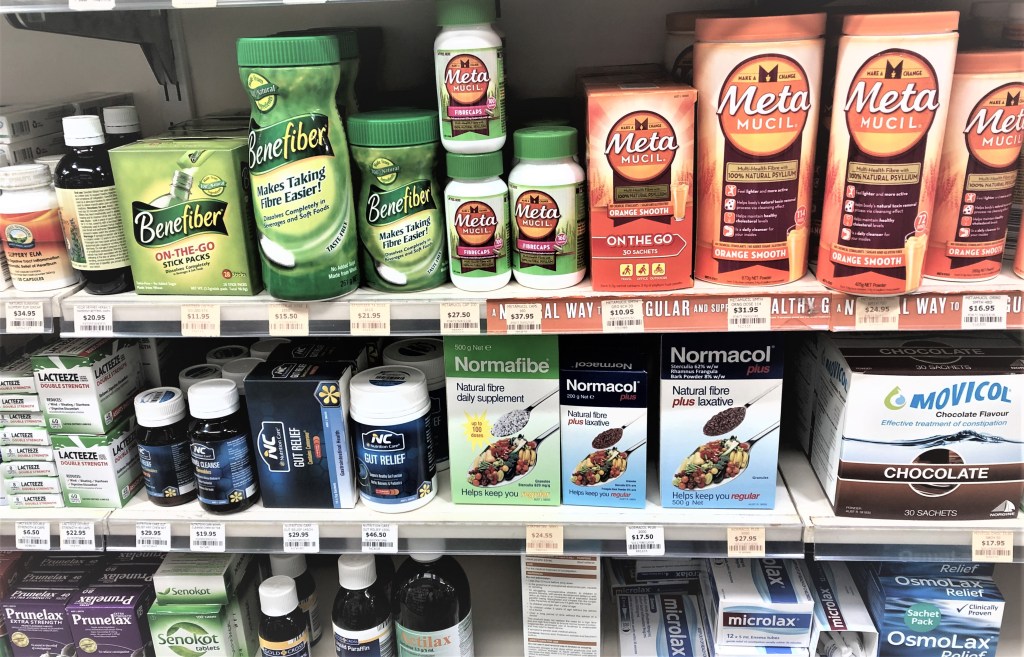
Please re-consider the standard laxative options before stepping into the murky waters of that particular supermarket aisle:

  • Oral ‘bulk- formers’: Usually usually in granule form, and include psyllium, chia and flax seeds. But you must drink enough water with them, or more constipation, discomfort and bloating will result.
  • Oral stimulants and rectal suppositories (e.g. Milk of Magnesia, Epsom Salts and enemas): These trigger contractions of intestinal muscles to eliminate stools and often cause cramping and diarrhoeaNot for habitual use!

The Mayo Clinic has comprehensive and very useful information on laxatives and their side effects. And Dr Norman Walker sums it up in one sentence:

“In simple words the colon is the sewage system of the anatomy”.

(Walker, N.W. (1940/1970). Diet & Salad, p.11. Norwalk Press: Summertown, Tennessee.

Thank goodness for our efficient sewage system. But before flushing the evidence away at the quick press of a button, do VIEW YOUR POO! 


’Ave an Avo!

I only “discovered” avocados well into my 30s. I never knew they existed when I lived in Singapore, and was reluctant to even try one when I came to Sydney. They were simply too expensive – although I loved the taste of them with lemon juice and pepper!

But creeping up to my 40s, I had a weight problem. My waist was spreading, and the tipping point came when I had to ditch my size 10 jeans for a 12. I was simply having too much carbs: rice and more rice with dinner, 4 slices of bread with lunch at work and pastries during the day. I needed to feel “full” – and carbs kept me happy. I knew size 14 was just around the corner and something needed to be done quickly!

By then, I had already been following Dr Walker’s “Fruit before meals and never after” rule – which in fact cured my gastritis. But was that all I needed to enjoy better health? 

It was now the 1990s … the “Fat-Phobia” decade, with “fat-free” slapped on yoghurt and ice-cream. Cream, sour cream, butter and cheese then got on the bandwagon with “low” or “reduced fat” labels. Always curious, I checked the sugar content of these products. Surprise, surprise: more sugar was added to compensate for the lack of texture or taste from these foods. 

I remembered Dr Walker’s words about sugar in Diet & Salad:

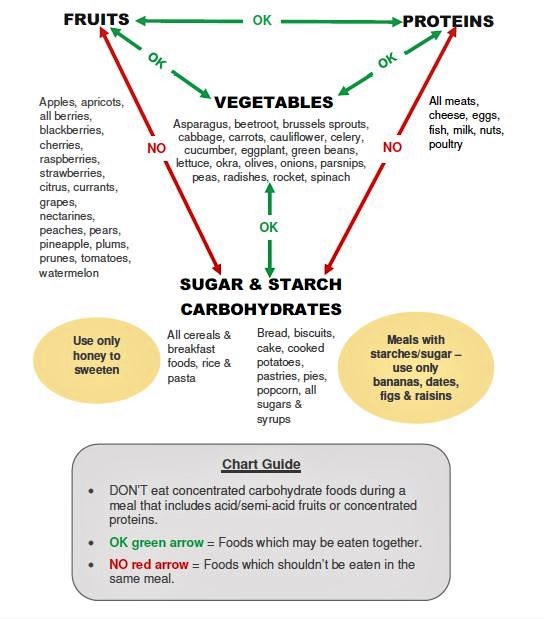
“Destructive fermentation and putrefaction in the body result from eating at the same time combinations of foods containing concentrated sugar and concentrated starch carbohydrates with those containing concentrated proteins or with acid fruits.” 

(Walker, N.W. (1940/1970). “Diet & Salad”, p.37. Norwalk Press: Summertown, Tennessee.)

Reading that page again I figured out why I always felt bloated and uncomfortable after having dessert (or even a biscuit) after a meal. It was the SUGAR!

I chose to ignore the “fat-free” hype, but still had a problem with my dependence on starches and sugars. I re-read the section on Avocados from Walker’s book:   

“Avocados … are one of the most valuable sources of organic fat … An exceptionally nutritious food and should be used daily whenever obtainable.”

(p.135)

Here’s some trusted information from Medical News Today:

  • One avocado has 10 grams of fibre — or almost half of your daily requirement — and with a variety of vitamins and minerals, including potassium, vitamin C, vitamin B6 and magnesium, the fruit is also naturally free of sodium, cholesterol, and sugar. 
  • Avocados contain high levels of healthy, beneficial fats, which can help a person feel fuller between meals and slow the breakdown of carbohydrates, helping to keep blood sugar levels stable.

From then on, my lunch almost every day has been 1 slice of full-grain toast with half an avocado and lettuce. It keeps me full until 4pm. I don’t have post-lunch lethargy. (I also have a handful of walnuts and almonds mid-afternoon with a fig and a couple of dates, or a slice of toast with peanut butter.) All this has helped to reduce my cravings for carbs and sugar at dinner time.   

 (Walker, Diet & Salad, p.68. Adapted from his ‘Food-Control Guide’.)

Combined with exercise and following Dr Walker’s food combinations (pictured in the chart) as best I could, I have kept the same weight for the last 25 years and learned to LOVE the avocado!


Luscious Lycopene

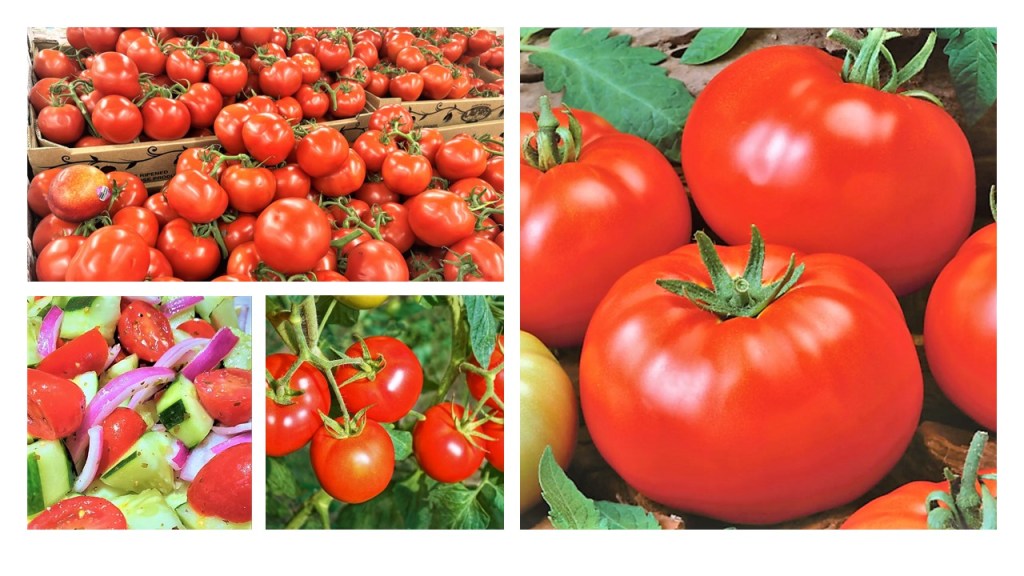
Tomatoes are red, luscious and lovely … and loaded with the antioxidant LYCOPENE. The redder the tomato, the more lycopene it has!  

It’s lycopene that gives tomatoes their bright red colour and helps protect them from the ultraviolet rays of the sun. In much the same way, they protect your own cells from damage. 

Tomatoes are rich in vitamins and minerals. They may help lower your levels of LDL or “bad” cholesterol, as well as your blood pressure, boosting your heart health. Observational studies have found lower incidences of prostate, lung and colon cancers among those consuming tomatoes – but more research is needed in this area. Carotenoids in tomatoes may also guard against breast cancers in women.

(‘Tomatoes 101: Nutrition Facts and Health Benefits’. From https://www.healthline.com/nutrition/foods/tomatoes)

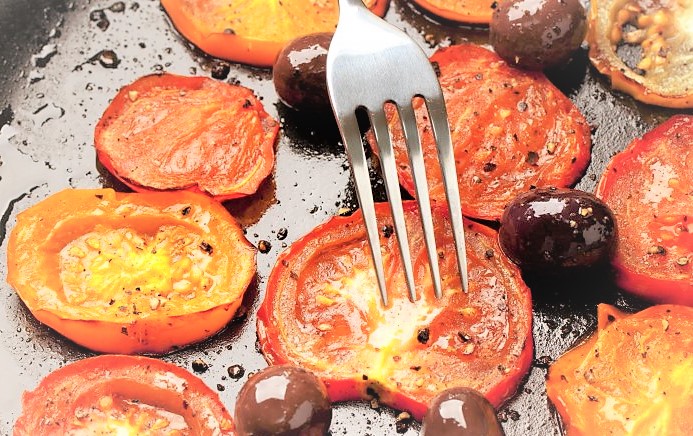
The lycopene in tomatoes is still effective when heated – so they’re just as nutritious even when cooked or processed. That’s good news for those who love cooking with them or in sauce (you can make your own ketchup at home without the added sugar!).

We mostly think of the tomato as a vegetable – but it is in fact an acid fruit. But when eaten raw without starches or sugars, it has an alkaline reaction. 

I prefer to have my tomatoes raw in a salad. Watch the video to see what I put in mine!


Water, please!

We neglect to drink enough water. Medical research has long supported the benefits of drinking plenty of water, from boosting energy levels to supporting kidney function. Water makes up the biggest part of your blood. It helps your joints, keeps your brain working properly and could even help your headache!

Apart from in our homes, I see this at cafés and food courts. Coffee or tea (which actually dehydrate) with a “sweet” snack, or that imminent bottle of soft drink that completes a lunch order.

But where’s that glass of water? 

Refined, high-starch foods literally soak up vast quantities of water as they go through our digestive systems. Laxatives do the same. 

Judith Wills’ A Flat Stomach in 15 days, talks about the importance of water in preventing constipation:

“ … it isn’t just fibre that keeps you regular. I believe that more constipation is caused by not drinking enough water or eating enough citrus fruit than ever was caused by not getting enough bran in your diet!

“Drinking a lot of water will not cause fluid retention, I can assure you. The surplus will simply be flushed immediately out of your system but all that water will keep you regular …”

(Wills, J. (1990). ‘A flat stomach in 15 days’, pp.28–29. Sphere Books Ltd: London.)

One of the visible signs of severe dehydration are dark circles under the eyes. 

Your older family members and friends should be reminded to drink enough water too: it can reduce the risk of urinary tract infections which are often accompanied by confusion and feeling disoriented.  

Lastly, we must remember our Colon, the large intestine. To get rid of the waste released by the small intestine, it needs water to form stools that can be eliminated completely and easily. (Hopefully, you’ve also now been having your apple and other fibre-rich foods!)

A TV ad tells us we need an anti-bacterial solution to get rid of the scum in our washing machines. Far more important are the leftovers in our Colon, that must complete its final rinse with water!