
My last eight years at a major Sydney hospital were spent ‘hot-desking’ a few hours a week helping staff with salaries. Amongst the pens, Stick-It pads and paracetamol foils, there would be at least one bottle of a vitamin or herbal supplement in drawers. Approaching winter in the southern hemisphere, many of us will buy a pill or powder that claims protection from illness. BUT DO THEY WORK??
An article by Peta Bee in The Australian sheds some light. Peta quotes Jenna Macciochi, senior lecturer in immunology, University of Sussex, and author of Your Blueprint for Strong Immunity:
“It is scientifically and medically incorrect to say that we can strengthen our immunity by increasing our short-term consumption of certain foods or nutrients. …
Bee, P. (2022, December 14). “Reboot your immunity: What really works?”. The Australian.
“… there are two arms to the immune system – the innate part that patrols and responds to an invader, such as a cold virus, and the adaptive part that uses T-cells and white blood cells to kill those invaders and aid the healing process. If we have too much of one arm of the immune system boosted it can cause illness and even serious autoimmune problems when the other arm produces too strong a response. …
“Fever, swelling, pain and fatigue are often … a sign of malfunctioning immunity and yet these symptoms … are signs that the immune system is doing its job.”
It’s clear that keeping a balance of this complex system is not as simple as popping a pill or drinking a concoction of smoothies. But unfortunately, some products and services (many not backed by science) claiming immunological enhancement are used deceptively as marketing aids. Let’s take a look at what Dr Macciochi has to say about some of the more popular ones.
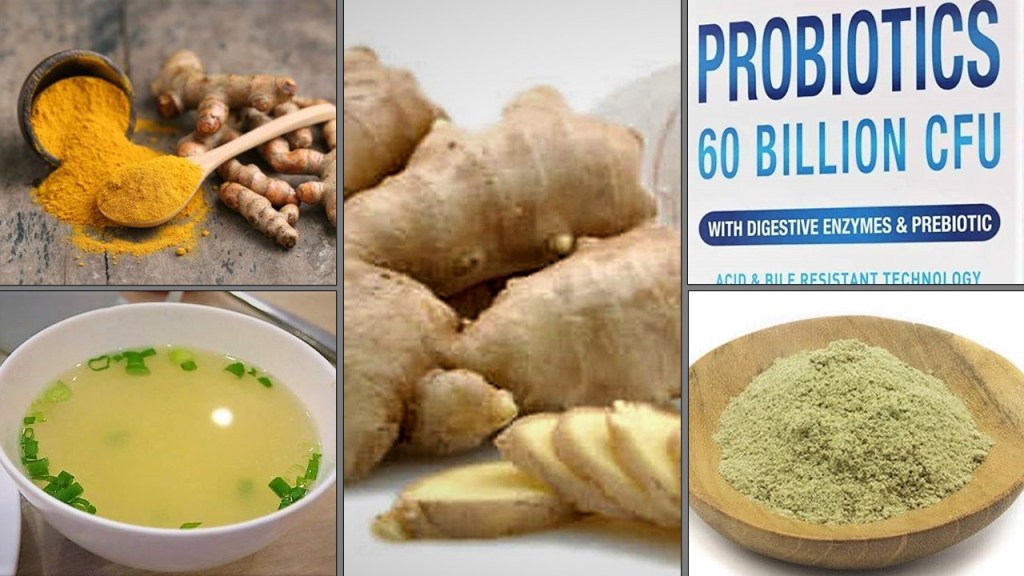
Probiotics
Some strains may be beneficial to fight colds, flu and infections – but there’s no certainty they’ll work, and you’ll need to take them consistently. You can keep a healthy gut and fight infection with a balanced diet including a good variety of fruit, vegetables and fibre:
“Eating a plethora of plant foods along with fermented foods and drinks such as kimchi, kefir and kombucha is a better safety net.”
Vitamin C
This will help if you’re physically stressed and susceptible to colds – but again, mega-doses won’t lower the risk. One to two grams daily is fine to lessen severe cold symptoms and duration:
“It has stronger effects in people who are under intense physical stress … A study in marathon runners and cross-country skiers suggested that vitamin C … halved the duration of a typical cold.”
Vitamin D
A daily dose of 10 mcg during winter is advised – but if you spend much time indoors, you should take it throughout the year:
“Vitamin D is a hormone and acts directly on our immune cells to shape their function. Most people will benefit from taking a supplement, and I would recommend upwards of 10 mcg but not more than 100 mcg daily – taking short term mega-doses won’t work.”
Turmeric
One of many active ingredients in turmeric is curcumin – which evidently does destroy certain viruses and boost immunity. Macciochi advises adding it to cooking, but it’s certainly not an immunity fix:
“ … short-term dosing up on turmeric shots and supplements for immediate results won’t work … Ideally pair it with a little oil and dash of black pepper, which can boost absorption in the body by 2,000 per cent.”
Echinacea
This might surprise you, but Echinacea may not be the remedy-queen of winter illnesses – science still hasn’t established if it actually works:
“There are different species of the echinacea plant and different parts of the plant are supposed to have different properties. … It might interact negatively with other medications you are taking too.”
Lemon, Honey & Ginger
Taken together, they certainly soothe the throat, but don’t actually prevent or lessen infection. But honey on its own does suppress coughs, especially for kids:
“The NHS recommends honey first, not antibiotics, for treatment of coughs … But none of these ingredients will support immunity.”
Garlic
The crucial compound in garlic is allicin with its antimicrobial properties. Garlic in food helps treat and prevent viruses in the upper respiratory tract. A study from the US National Cancer Institute found that only one raw garlic clove in a meal activated immunity-related genes. To reap allicin’s full benefits, it’s best to chop/grate/crush a clove, let it sit for some minutes, and then add it to cooking – or use it raw in dips or salads:
“The way garlic is prepared can really change its powers. … It’s estimated that we need three times as much cooked garlic as raw because some of the plant compounds reduce with cooking.”
Zinc
This mineral is crucial for healthy immune cells – available through natural foods like poultry, meat, shellfish, seeds and nuts. As it’s not stored in the body, a regular supply is needed, especially if we’re over 60. It’s also useful against colds, and a 10-40 mg supplement is effective to shorten their duration. Again, avoid mega-dosing:
“Long-term high doses can cause GI [gastro-intestinal] upset and interfere with copper and iron absorption … If you do take a low-dose supplement, also take the flavonoid quercetin, which will help zinc to get inside your cells.”
Selenium
Another important micronutrient for many biological processes, including maintaining immunity – freely obtained in poultry, meat, fish, eggs, tofu, Brazil nuts, milk and bread. So there’s no real need to take a tablet:
“Unless you have a confirmed deficiency, taking more selenium in supplement form is not always better. … Studies have shown that too much could drive unruly inflammatory responses in the body, upsetting the delicate balance of immune function.”
Chicken Soup
A favourite for so many of us – I love a bowl of it (in the pic above) with chicken rice! Sadly, it won’t overhaul your immune system but does wonders for your mood if you’re feeling low:
“It contains carnosine, which will support immune cells, vitamins and nutrients that slow the growth of mucus-stimulating neutrophils [white blood cells] and ease the airways. … Even if it is just the placebo effect, you will probably feel better after eating chicken soup.” I always do …
You know the drill: AVOID highly processed, low-fibre food!
- Citrus fruits before breakfast, rolled oats instead of cereal, a good serving of raw vegetables before dinner. Swap yoghurt for kefir yoghurt. And hopefully you’re not a smoker or drinker by now!
- If you’re feeling under the weather, take a blood test to check if you’re deficient in vitamins or minerals before you buy supplements.
- I do support taking CoQ10 if you’re over 35. Levels of CoQ10 in your body decrease as you age. It is a nutrient that converts food into energy, and a potent antioxidant that has beneficial effects on heart health.
- B-group of vitamins are important to take during pregnancy and essential if you don’t have a good daily serving of nuts and grains.
The last word goes to Dr Norman Walker:
“When you give Nature every ounce of co-operation surprisingly satisfactory results will follow”.
Walker, N.W. (1940/1970). Diet & Salad, p.23. Norwalk Press: Summertown, Tennessee.
 Welcome to Shirl's Pearls: My Guide to a Good Life!