
You know what? I suspect you won’t take my food advice well. And you’ll most likely be offended. But please think of it as something to consider if you’ve been battling any of the symptoms I’ve described.
People I’ve not seen for years ask what my ‘secret’ is. If they were truly keen, I’d refer them to Dr Walker’s books.
But to you, it’s this:
Select, separate and time your food.
My old eating habits took months to break, but I was determined. Being disciplined was the most difficult, but it was key to achieving my goal.
I totally cut out cola drinks, biscuits and lollies. You will not find them anywhere in my home.
It suited my lifestyle to mix carbs with meat, but my portions of rice, noodles and pasta are now smaller.
I also have a weakness for crafted bread like sourdough, but by cutting out the ‘bad’ carbs and sugary drinks, I can enjoy 3 to 4 slices a day without putting on a gram!
I have fish, especially sardines and salmon, choose turkey over chicken, and have smaller meat portions.
Alcohol? A beer now and then is fine, and so’s wine. But don’t drink just because everybody else is, especially with meals (sorry). If you do, start cutting down. It’s an insult to your liver!
I didn’t want to be an old woman with a distended stomach and flabby waist. I wanted to walk with a smile and steady stride, my head held high, loving my life.
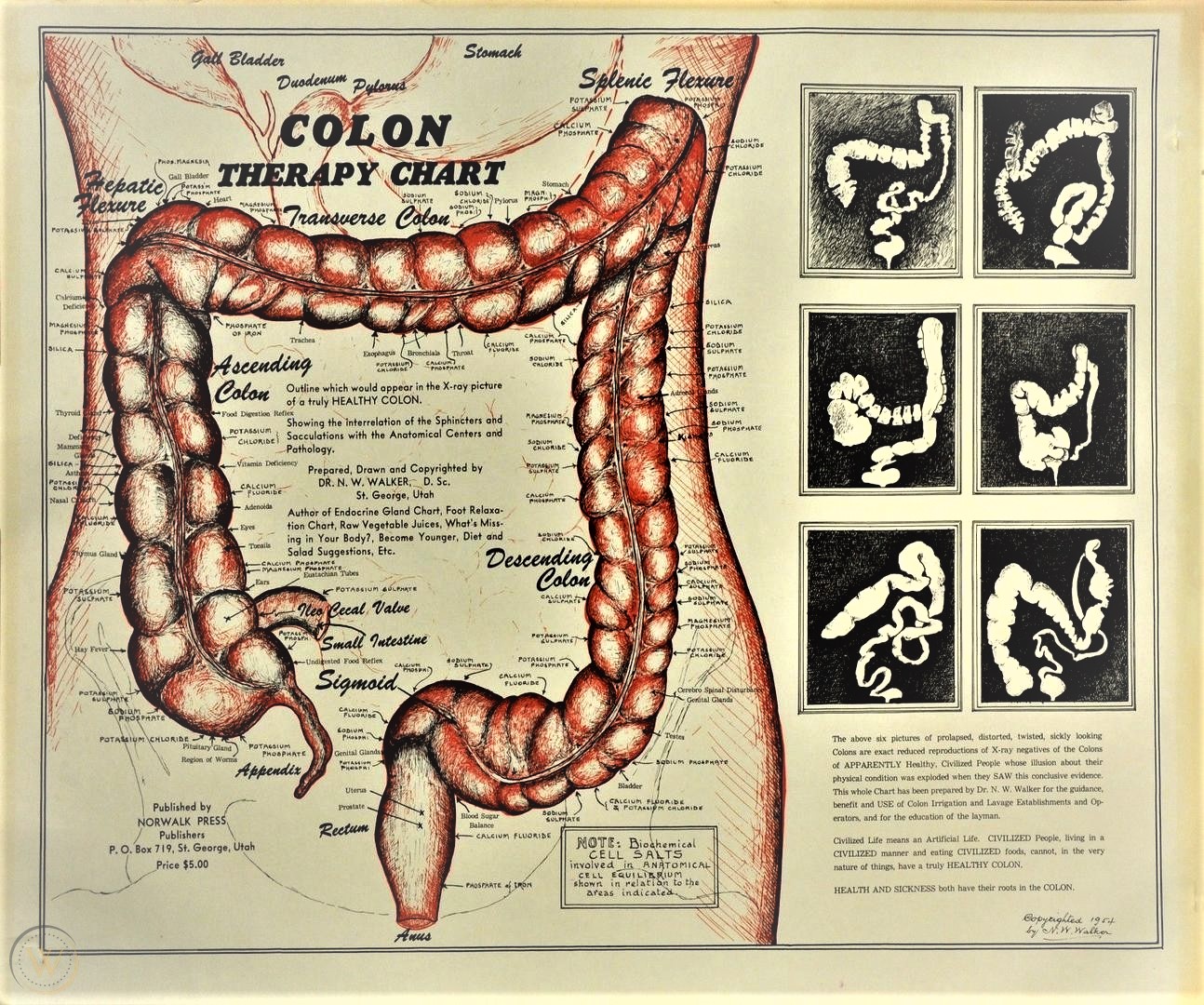
Dr Walker wrote this:
‘Your body is the house in which you live. …
‘Your home needs, at the very least, periodical attention … every function and activity of your system, day and night, physical, mental and spiritual, is dependent on the attention you give to it.’1
Won’t you quickly fix your clogged plumbing, leaky roof or rising damp? Why not give the same attention to your body?
But please see your GP first if you have any health concerns at all. ‘No time’ is no excuse. A blood test, X-ray or scan will either put your mind at ease or fix something urgent.
Dental checks every 6 months are mandatory. You don’t want tooth decay and gum disease. Bad breath may reveal more than the onions you ate; mouthwash does not remove all your plaque and bacteria.
In my opinion, the following tests are non-negotiable, and more so if you’re over 50:
- WOMEN: Monitor your blood pressure. Check your breasts regularly for lumps, and schedule mammograms; these are free in Australia every two years from the age of 40. Bone density screening is also important.
- MEN AGED 55 AND OVER: Have your blood pressure regularly checked by your GP, and have annual PSA (prostate-specific antigen) blood tests.
- TO ALL AGED 50 AND OVER: Do a bowel screen test via a home screening kit. Screening kits are provided free in Australia every 2 years to those in this age group. Get on your butt and do the test!
If a colonoscopy is recommended, it will remove polyps in your colon quickly before they become cancerous; you’re blissfully asleep and won’t feel a thing. I was 55 when I had my first colonoscopy. Polyps were removed early on, and I was all clear after my fourth one in 2017.
Now – let’s start cleaning your house!
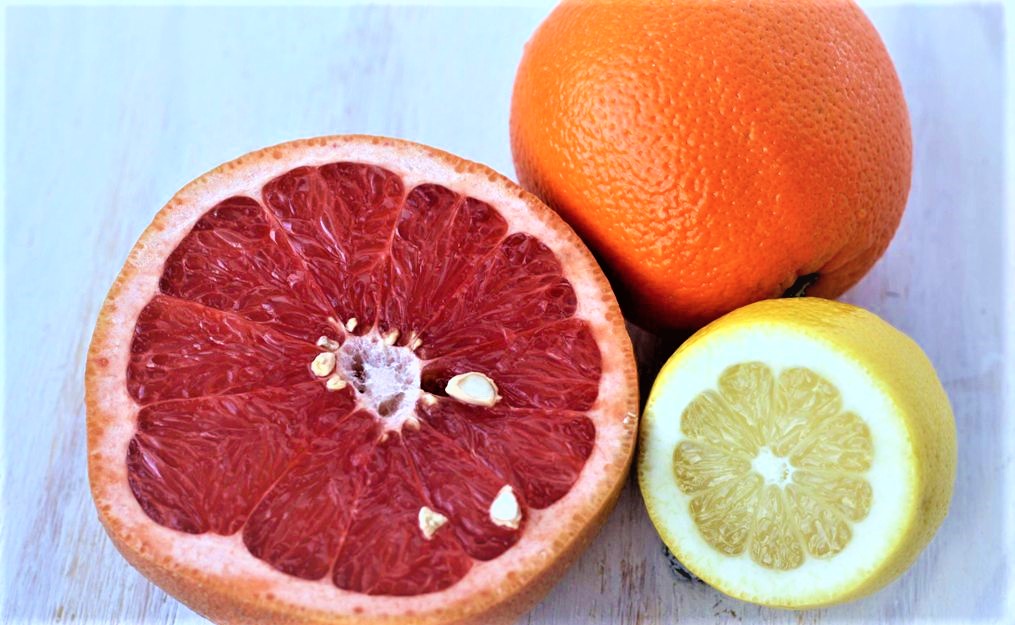
- Stock up with fresh fruit. They are your body’s cleansers. Buy fruits in season, and don’t forget lemons, grapefruit and oranges. They’re abundant and cheap.
I juice half a grapefruit, half an orange, and a bit of lemon the night before. First thing in the morning, I top this up with warm water in a large glass (at least 600ml).
I recently read that eating citrus zest effectively doubles the speed that DNA is repaired.2 It has more Vitamin C than the fruit itself, and contains anti-inflammatory, antioxidant bioflavonoids and collagen. Good value for money don’t you think?
I now cut my grapefruit and/or orange in bite-size quarters, peel off the outer skin to leave the white pith. I eat most of it in the morning, or add it to my salad before dinner. Try it. Watch how to properly skim your grapefruit and orange here.
2. Next, stock up on salad vegetables. They’re your body builders.
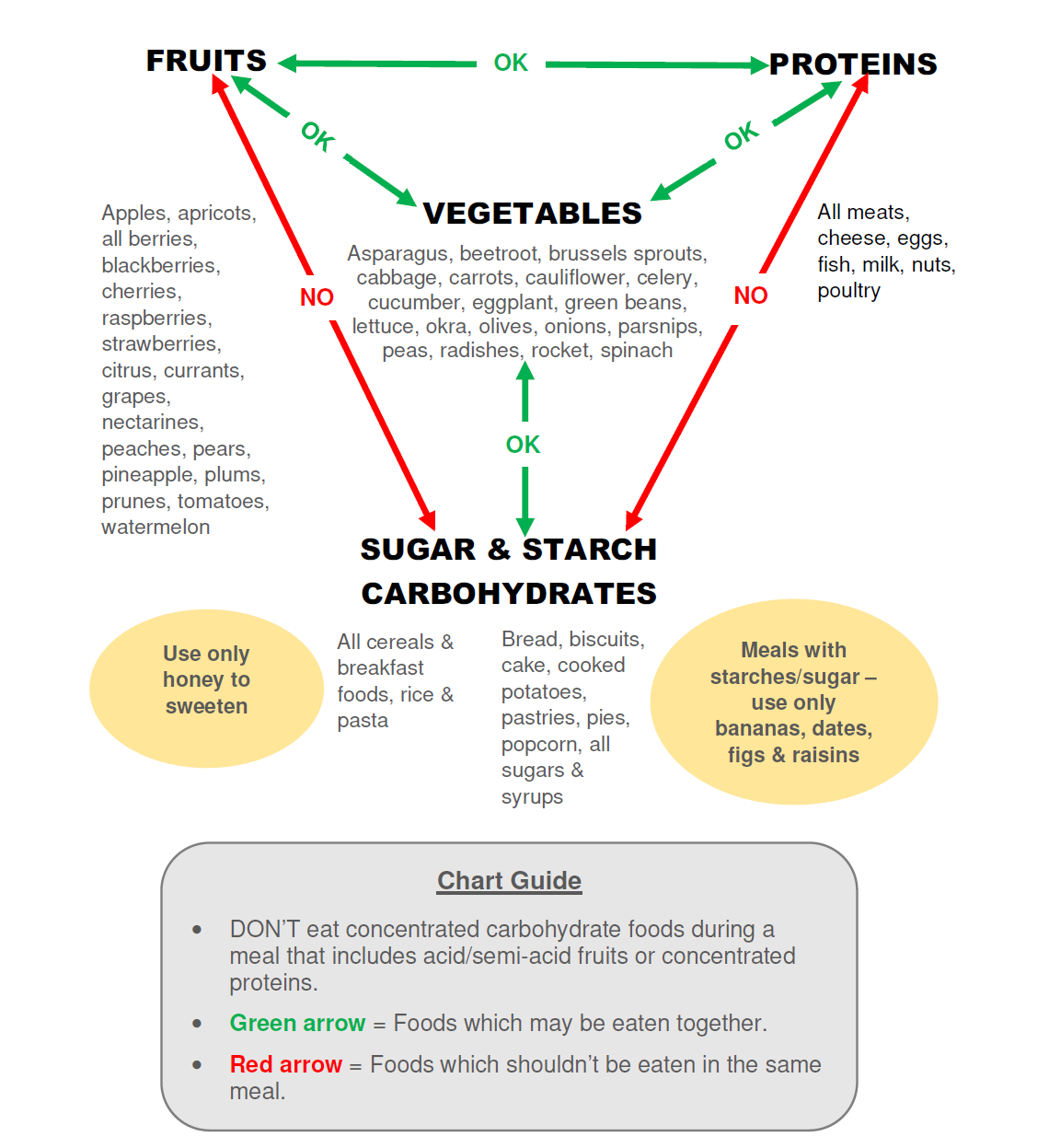
Aim for at least 1 large raw salad meal a day – before your main meal. ‘Salad’ means no fancy dressings. Have another look at Dr Walker’s Food-Control Guide.
Every raw salad you prepare has LIFE, with all-important cellulose and fibre. It is nature’s broom to help remove accumulated waste matter from your colon.
Having it first before your cooked meal gives your body a better chance of absorbing the wonderful properties found only in raw food. Would you mix unleaded E10 with high-performance octane in your precious car? I think not.
Now watch my friend Deb present her beautiful beetroot salad.
As a start, pick a few greens – cos lettuce, celery, rocket, parsley, cucumber or coriander. But do add fennel – a lovely, fibre-rich winter vegetable.

Do stock up & chop that celery!
If you’re busy, simply cut a stalk or two of celery, a few leaves of cos lettuce or fennel, and an apple instead of dressing. You’ll love biting into fennel or celery … so refreshing. Tomato, by the way, is a fruit. It can be eaten with lettuce, beetroot or grated carrot, or just with avocado or grated cheese. Parsley or spring onions to garnish. Lovely.
The benefit of having a substantial salad before your usual cooked lunch or dinner keeps your hunger in check and stops you overeating or snacking in between.
Why raw salad?
Having raw salad vegetables is always better than taking pills, which merely imitate the vital nutrients found in such food. While vitamin supplements are essential during adolescence, pre- and post-pregnancy and for specific conditions, the raw veg formula is the only one that will keep you young.
It’s fine to take supplements and probiotics, but don’t replace a bad diet with vitamins or herbal remedies. You won’t be ‘healthier’ taking over-the-counter immunity boosters while still eating food that’s bad for your gut!
Raw salad = fibre = happy colon = strong immune system = fewer sick days!
Dr Walker’s Diet & Salad has 70 great recipes, with menus for breakfast, lunch and dinner, healthy salad dressings, and lovely flourless desserts.3 Online raw salad recipes are fine too – again, just omit the fancy dressings, starch or carbs.
Also remember to chew your food – it stimulates your salivary glands to produce enzymes, starting the digestive process.
OK – I’ve given you enough for now to get you on the road to better health.
Fancy a colonic hydration? Don’t squirm – it’s got many benefits. Not that you should have one, but please read my next post.
1 Walker, N.W. (1979). Colon Health: The key to a vibrant life, p.3. O’Sullivan Woodside & Co: Phoenix, Arizona.
2 Greger, M. (2019). Health benefits of citrus zest. Retrieved from https://nutritionfacts.org/2019/02/05/health-benefits-of-citrus-zest/
3 Walker, N.W. (1940/1970). Diet & Salad. Norwalk Press: Summertown, Tennessee.
 Welcome to Shirl's Pearls: My Guide to a Good Life!