Balance + Strength = Longevity!

Can you … balance on one leg without holding onto something? Put your socks on standing up? Steady yourself when you’re about to fall?? 

Well, six years ago I was quite unable to stand unsupported on one leg – and the most I could do was five seconds! 

I remembered reading articles on this subject, and one in particular titled “Lift and Celebrate” by Paula Goodyer from 2012:

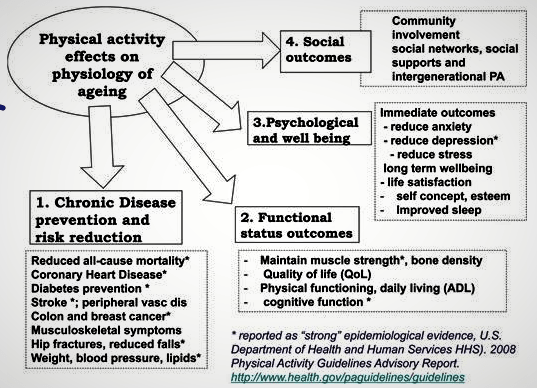
“Like strength, balance is a casualty of inactivity and age … if you skid on a patch of oil and find yourself teetering on one leg, good balance can prevent a fall.

“Start strength training now and by your 60s, you can offset some of the age-related changes that can cause muscle loss. … [It] helps preserve fast-twitch muscle fibres – the fibres that generate force rapidly so you can quickly move out of harm’s way or stop yourself falling if you trip.”

(Paula paraphrases Rob Newton, Foundation Professor of Exercise and Sports Science at Western Australia’s Edith Cowan University).

Prof. Jamie McPhee, Head of Sport and Exercise Sciences at Manchester Metropolitan University, provides useful tips:

  • Stand on each leg, eyes open, for at least 20 seconds. Evidence shows that doing this for up to a minute 3x a day improves balance and increases hip-bone density for people in their 70s.
  • Do it with eyes closed once you can manage 20 seconds. This further maintains balance and sharpens your other senses.
  • Walk along a marked line on the ground. Keeping “one foot in front of the other … [shifts] your centre of mass to maintain balance”.
  • Walk up and down on steps or a platform. Gradually using your toes for this also shifts centre of mass. Switch legs and “spend as much time on one foot in every movement as you can”.
(Bee, P. (2022, June 23). “If you can’t stand on one leg for 10 seconds, be concerned”. The Australian.)

BALANCE has also been found to be a potential risk factor affecting longevity. Mmm.

For the last 30 years, I walked for 30 minutes uphill every morning, did Pilates and Tai Chi exercises at home … but still wobbled trying to do this seemingly simple exercise. Was this Dad’s poor “sense of balance” and acute motion sickness I inherited? 

No, it was not. It was because I had poor posture and my muscle strength was not evenly distributed. Some areas of my body were simply weaker than others; as a result, my “balance” was poor. I had to do something about it. I thought “What the hell?” – and joined a gym.

I walked up to Dirk’s Health in Sydney early one morning in September 2016 for my first “Live Long and Stay Strong” class. But at 67 years old, I asked myself, “Is this really something I should be doing now??” I resisted, making the usual excuses. I didn’t believe it was “worth it” (the money too!).

If you’re also thinking that, please STOP right now. In the end, I absolutely regretted leaving this so late. Please, please: DON’T wait as long as I did!

You have a CHOICE:

  • Lose lean muscle as you age, or build it up 
  • You can give your body the strength and power it needs
  • To bend and not break, to sway and not fall! 

That day, I took on a new path towards leading a better life. Now at 73, I can stand on one leg for a minute doing bicep curls (but only for 5–10 seconds with my eyes closed). I LOVE IT! Weight training, squatting, stretching, pulling … even boxing! Working every muscle, flexing every joint. But most importantly, maintaining good posture with every exercise. I made the best of friends at the gym, managed my aches and pains, and got out of bed feeling HAPPY! 

Energised. Alert. Alive. Motivated.

So Dirk Hansen, this post and quote are dedicated to you. My appreciation and gratitude for the life you’ve given me, which I can never put a price on. 

“Posture, balance and joint flexibility are often overlooked when people talk about exercise programs, yet the health effects of poor posture, lack of balance, joint misalignment and stiffness affect many aspects of our daily life and contribute to a great deal of disease and disability.”

Fontana, L. (2020). ‘The Path to Longevity: How to reach 100 with the health and stamina of a 40-year-old’, p.173. Hardie Grant Books: Richmond, Victoria.

(Of course, you knew this long before Fontana wrote his book. And you taught us well!) 

As we approach the silly season, I’ll indulge myself and attach an audio clip of a song I recorded in 2021, using my own lyrics to a famous tune. I hope it will motivate those of you “thinking about” joining a gym!


Okra gets the A-OK

We loved our Okra (aka ladies’ fingers) – and the way our Granny cooked it in Singapore. We knew it then as Bamya. Our Sephardic Jewish community there came from Iraq, bringing with them their culture, cooking and Arabic language. That’s why Arabic names for all our dishes have stuck with us. And what a lovely way to keep those memories alive! 

The Iraqis certainly knew how to keep healthy. Okra was their favourite vegetable, and no surprise why: it’s so delicious and filling, particularly with chicken, lamb or fish … and of course rice.

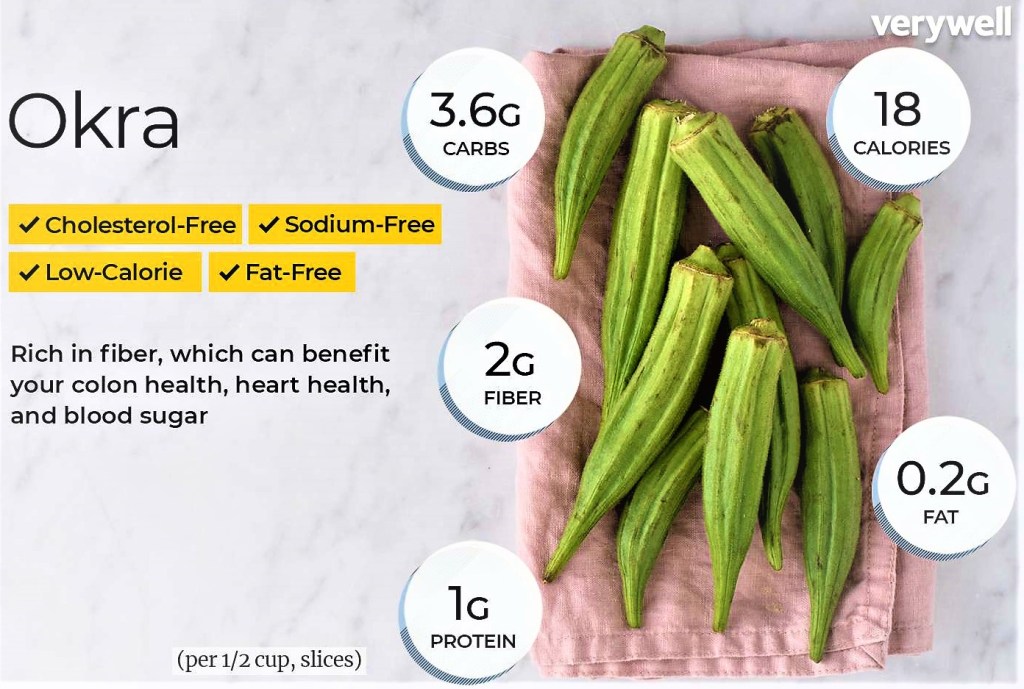
  • Okra is high in antioxidants: rich in Vitamins A, C and K, a cupful of okra has 3.2g of fibre, 82mg of calcium and just 32 calories.
  • It helps keep your weight down and satisfies your appetite; having okra with your meal keeps you full for hours!
  • It contains compounds that help to lower blood sugar levels and encourage the body to make more insulin.
  •  It has mucilage – a thick, gel-like substance and a natural thickener, giving your meal body and containing soluble fibre that binds with cholesterol during digestion; it may also prevent sugar from being absorbed.  

This explains why I once saw a lady at the fruitmarket buying nearly a kilo of okra. Curious, I asked her if she normally cooked that much. She said: 

“I cut okra open to expose the seeds, immerse in water with a little salt, simmer gently, and then leave to cool for 24 hours. I remove the skin and seeds to cook with, but I drink the water because it’s very good for diabetes, you know!” 

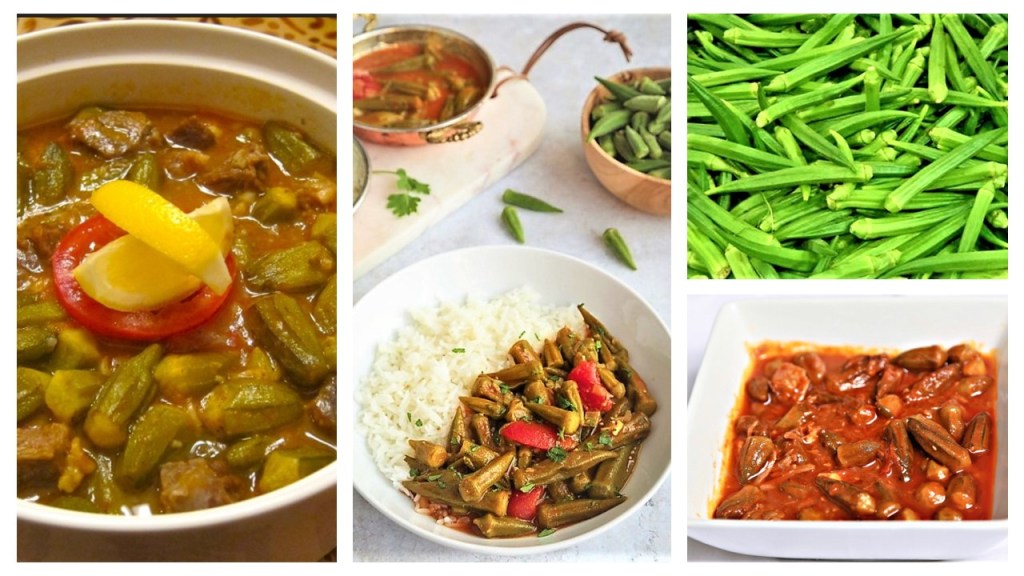
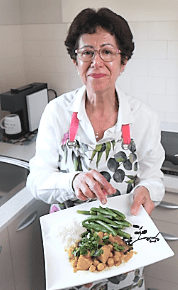
I’d love to show you how Granny cooked her Bamya, so I put my apron on and got to work! 

You’ll need:

  • Ginger, garlic and onion fried with a little olive oil.
  • Add mild curry powder, garam masala, tomato paste and a little salt.  
  • To prepare okra, peel the skin off; the ‘young’, tender and fresh variety’s best. (But I sometimes get ‘older’ ones with tough skins, which I also peel off.) Do this when it’s dry, and only wash it later as water makes it sticky and difficult to peel. 

Now start cooking!

  • Properly blend the ginger, garlic, onions and spices together, and wait for the dish to bubble before adding the okra.
  • Give it around 10–15 minutes on a low flame to cook. It should be soft; pick up a piece and taste if you’re not sure.  
  • Turn off the flame, add mint and a teaspoon of lemon juice or half a teaspoon of tamarind paste. 

SO delicious and SO good for you – THANK YOU, Granny Azizah!  XXX


Savour your fish

We enjoyed the freshest fish in Singapore – cooked gently with a little peanut oil, ginger and light soy sauce. We gave them Malay names, and I had to look long and hard to find similar varieties of “ikan” when I moved to Sydney …

I chose flathead and snapper, bought at Sydney’s Paddy’s Markets; bones were removed, and they were much cheaper there than at fish outlets in shopping centres.  

It must have been 10 years ago when we were lucky to spend a few days in Pulau Langkawi, on the west coast of West Malaysia, with our food-savvy Singaporean friends, Clarence and Kym. We didn’t dine at our hotel, but drove to a restaurant not far away. It was on the side of a dark, dusty road – seemingly in the middle of nowhere. Brightly lit lanterns, hawker-stall tables and chairs, staff scurrying to and from the kitchen carrying platters of fish.

Savouring island delights with Clarence & Kym (2012)

Clarence knew exactly what to order: whole grouper, steamed rice, Chinese vegetables, sliced bird’s-eye chillies in soya sauce and a little oil. The grouper was cooked exactly like our fish in Singapore; but somehow it had a more exquisite taste. The difference! On this island, everything was fresher. Drinks? Bottled water of course. All for under AUD20 a person. We were there for every night of our holiday, ordering the same dish. No frills, delicious 5-star dining at its very best.

We hear a lot about salmon these days, and how good the wild variety is for you. My first taste of it was in Toronto, Canada in 2014. Our cousin Keren bought and cooked beautiful bright red salmon cutlets, seasoned only with salt, pepper and lemon. The taste was INCREDIBLE! 

Back in Sydney, I made sure we had salmon once a week. It was off to Paddy’s again. Although labelled “Fresh Atlantic Salmon”, I suspected it was commercially farmed even then. And it still isn’t cheap, currently priced between AUD33–37 a kg for cutlets and fillets. Farmed barramundi is also plentiful, with Murray River cod and Kingfish in the pipeline. (You might want to try “wild caught” Pacific pink or Sockeye canned salmon – but check the labels to make sure.)

Praised for its high protein content and Omega-3 fatty acids, salmon is now commonly consumed, and eaten in many cultures around the world. It’s a fantastic alternative to protein sources such as chicken or beef – providing ample protein with far less saturated fat content. It’s therefore an ideal protein source to maintain weight loss or a normal-range BMI (body mass index).

BUT: While salmon aquaculture is the fastest-growing global food production system, you would have heard the bad press Tasmanian salmon-farming has been getting. This article from The Guardian suggests New Zealand King Salmon is a better alternative. But good or bad, most of us may be stuck with eating it farmed. (The wild Pacific variety is available at AUD50 a kg, if money’s no object.) I’m pretty much resigned to digesting the antibiotics, red dyes and higher calories, and salmon’s still on the menu once a week.  

If farm operators are doing it right, and Australia’s CSIRO says it’s OK, our salmon should still be:

  • rich in Omega-3 fatty acids, to keep our hearts healthy and our brains functioning 
  • high in selenium – a vital nutrient involved in DNA synthesis, thyroid hormone metabolism and reproductive health
  • a good alternative to meat protein, with far less saturated fats to help with weight loss.  
Impossible to resist

Bored with my old ginger-soy sauce-spring onion approach, I now add Indian spices like curry powder and cumin to the fish (okay, just a little “thick” soy sauce before I turn the heat off). Garnished with coriander and lemon wedges, plated up with rice noodles or rice, vegetables and chillies, it’s DELISH. Give it a go if you’re planning on salmon this week!


Love your Legumes

I’m closely reading The Path to Longevity by Luigi Fontana. Like Eat Like the Animals which I featured before, it has all you need to know about food, keeping good health and staying alive (and I mean ALIVE) for longer!

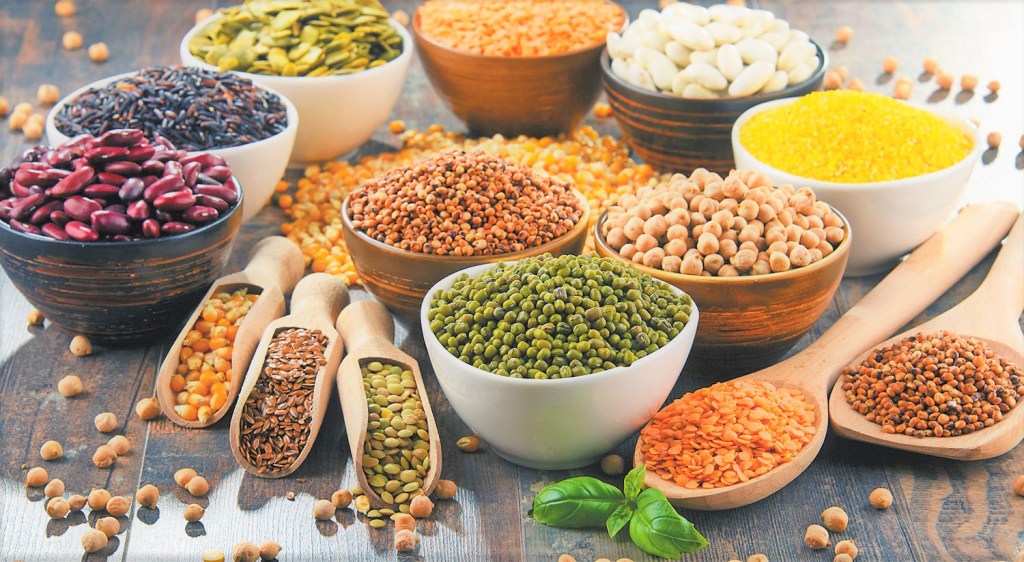
In a section titled “Legumes: Love them and they will love you back”, he says that legumes (i.e., beans or pulses like chickpeas, lentils, and fava/soy/black beans) are:

… an excellent source of healthy protein, carbohydrates and fibre and they are loaded with myriad vitamins and bioactive molecules. They also provide B Vitamins, iron, copper, manganese, zinc and phosphorous.

… legumes do not raise blood glucose and insulin levels as much as other foods with a similar calorie content.

“In a three-month clinical trial, patients with Type 2 diabetes who increased their legume intake by at least one cup a day experienced a much greater reduction in blood sugar, cholesterol and blood pressure than those who consumed whole-wheat products.”

(Fontana, L. (2020). “The Path to Longevity”, p.113. Hardie Grant Books: Melbourne.)

Surprised? I was. Since reading that chapter, I’ve created many dishes using chickpeas and butter beans; I now make my own baked beans – especially since the sugar in the canned variety has been increasing exponentially! Fontana helpfully includes suggestions on how he cooks his favourite beans and legumes. It’s an excellent way to get you interested in making these superfoods a part of your diet. Now get going!

It was also interesting to read that protein in beans are incomplete – with the one exception of soya beans.

” … the quality of soy protein is much higher than that of all the other beans and very similar to animal protein. Zen Buddhist monks use tofu as their main substitute for meat and fish.”

(Fontana, p.117)

How good that tofu was a staple and one of our very favourite side dishes in Singapore! We pan-fried it with garlic and ginger, topped with either Hoisin or Tamari soy sauce. Together with noodles, rice and stir-fried Chinese vegetables, it was a delicious meal in itself. Fontana prefers to grill tofu in thin slices, with olive oil and a few drops of soy sauce. 

So, tofu-sceptics, I suggest you try these recipes! You’ll find many tofu varieties in supermarkets and at Asian food stores. 

The “plant food” fad has released “flavoured” and spiced-up brands of tofu, including what I think are totally unhealthy tofu-inspired desserts. Unfortunately, they have far too many additives and not what you should be eating at any time – so be wary. It’s much healthier to buy plain tofu and put in your own ingredients. You can do without the unpleasant aftertaste of flavour enhancers. 

Now, we all know the one unpleasant effect legumes have: GAS, or FLATULENCE. But this may not be a huge cause for concern:

“It is true that legumes more than other foods tend to make us produce some extra gas … which in some people may cause bloating. Producing gas is a sign that our gut and microbiome are healthy and working well.”

(Fontana, p.114)

Fontana suggests we introduce legumes in our diet gradually, to minimise this problem. But I have a better solution, and IT WORKS!

I believe adding meat protein to plant-based food causes fermentation – creating stomach gas. Having potatoes or rice with your dish of beans instead of wheat-based food like pasta or bread is also much easier on your gut. And please: no soft drinks with your meal; they absolutely disrupt digestion whatever you eat. 

I frequently look back at my life in Singapore … Dad got fruits and veg at open markets, live-in cooks dutifully served our meals, and eating out was cheap and clean at hawker foodstalls. Did I even need to know how to cook? 

No surprise then, that the kitchen was my nemesis when I married at 31. That was 42 years ago. 

Now, I simply love kitchens. Take me to one and if your pantry, fridge and spice racks are well-stocked (with healthy stuff), I’ll cook you a dish. So, Dad – you would’ve scoffed at eating beans … but just look at my chickpea curry!!


View your poo

I was encouraged to write this when I heard a listener on the radio ask a health professional how they would know they had a healthy gut. “Look at your poo!”, was the reply. Are you ready to do this?

(It’s an earthy colour this week.)

In one early blog, I featured the song clip “Everything Comes Down to Poo” from the old TV series Scrubs. Listen again to the lyrics.

Advertisers love to tell us how to keep our bowels regular. You must have seen ads targeting the over 55s having spoonfuls of fibre granules … which appear to miraculously keep you “going”, and happy enough to frolic outdoors the next day! 

In ’60s and ’70s Singapore, “BMs” were a very serious subject. “How are your bowel motions?” was the first thing doctors asked patients. My mother chose to call them “big-ones”, and she wasn’t the only one.

“Did you do ‘big-ones’ today?” 

If “Yes”: “Was it hard or soft?”

If “No”: “Wait till tomorrow – if it doesn’t come, I’ll give you Magnesia!” 

But regardless of whether we “did” or “didn’t”, 6-month enemas were mandatory at Gran’s. Thankfully, she got tired of chasing me and we stopped after the second … 

When I was 7, in Singapore’s General Hospital for a tonsillectomy, nurses greeted patients with “Did you do BM this morning?” I had to lie and say “Yes”, or they would return with a bedpan with that awful nozzle-and-bulb pink enema. These days, medical practitioners only ask if they think it’s relevant.  

But did you know that even if our problem isn’t related to our colons, our stools give vital clues to our health

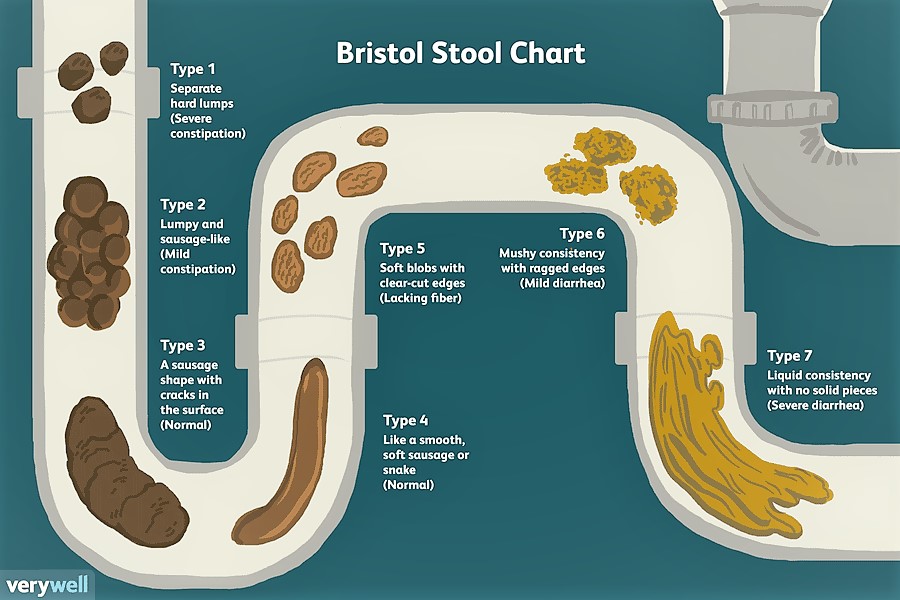
I later discovered the Bristol Stool Chart in the children’s book Your Growling Guts, which I highly recommend grown-ups read as well. 

So – do you do Type 3 or 4? Or maybe 5, 6 or 7? And what’s the colour? Stools should be brown or slightly darker. If black, seek medical attention immediately. 

(Always make sure your toilet bowl is white and clean beforehand, and only use clear toilet bowl cleaners). 

I was a habitual psyllium-husk user and began to wonder why I suffered from “gas pockets”, identified as diverticulitis by my gastroenterologist. More psyllium was recommended which further aggravated my condition.

A few years ago, Anna Paredes from the Colonic Care Centre in Sydney suggested I stop the psyllium, have a green apple midday, and drink 2 ½ to 3 litres of water during the day. Much to my surprise, it worked and still does!

“I believe that more constipation is caused by not drinking enough water or eating enough citrus fruit than ever was caused by not getting enough bran in your diet.”

(Wills, J. (1990). “A flat stomach in 15 days“, p.28. Sphere Books Ltd: London.)

The apple-and-water regime may not give you the same results – but give it a try. A section of grapefruit or orange pith with the juice first thing in the morning certainly help. Walking and/or regular gym sessions are also wonderful “motion movers”.

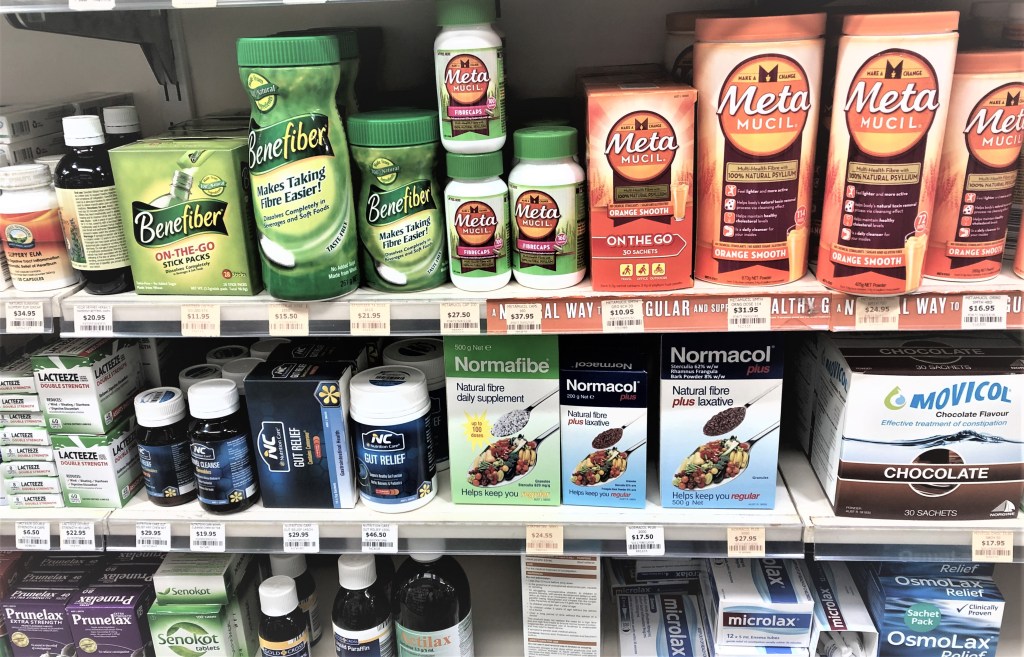
Please re-consider the standard laxative options before stepping into the murky waters of that particular supermarket aisle:

  • Oral ‘bulk- formers’: Usually usually in granule form, and include psyllium, chia and flax seeds. But you must drink enough water with them, or more constipation, discomfort and bloating will result.
  • Oral stimulants and rectal suppositories (e.g. Milk of Magnesia, Epsom Salts and enemas): These trigger contractions of intestinal muscles to eliminate stools and often cause cramping and diarrhoeaNot for habitual use!

The Mayo Clinic has comprehensive and very useful information on laxatives and their side effects. And Dr Norman Walker sums it up in one sentence:

“In simple words the colon is the sewage system of the anatomy”.

(Walker, N.W. (1940/1970). Diet & Salad, p.11. Norwalk Press: Summertown, Tennessee.

Thank goodness for our efficient sewage system. But before flushing the evidence away at the quick press of a button, do VIEW YOUR POO! 


’Ave an Avo!

I only “discovered” avocados well into my 30s. I never knew they existed when I lived in Singapore, and was reluctant to even try one when I came to Sydney. They were simply too expensive – although I loved the taste of them with lemon juice and pepper!

But creeping up to my 40s, I had a weight problem. My waist was spreading, and the tipping point came when I had to ditch my size 10 jeans for a 12. I was simply having too much carbs: rice and more rice with dinner, 4 slices of bread with lunch at work and pastries during the day. I needed to feel “full” – and carbs kept me happy. I knew size 14 was just around the corner and something needed to be done quickly!

By then, I had already been following Dr Walker’s “Fruit before meals and never after” rule – which in fact cured my gastritis. But was that all I needed to enjoy better health? 

It was now the 1990s … the “Fat-Phobia” decade, with “fat-free” slapped on yoghurt and ice-cream. Cream, sour cream, butter and cheese then got on the bandwagon with “low” or “reduced fat” labels. Always curious, I checked the sugar content of these products. Surprise, surprise: more sugar was added to compensate for the lack of texture or taste from these foods. 

I remembered Dr Walker’s words about sugar in Diet & Salad:

“Destructive fermentation and putrefaction in the body result from eating at the same time combinations of foods containing concentrated sugar and concentrated starch carbohydrates with those containing concentrated proteins or with acid fruits.” 

(Walker, N.W. (1940/1970). “Diet & Salad”, p.37. Norwalk Press: Summertown, Tennessee.)

Reading that page again I figured out why I always felt bloated and uncomfortable after having dessert (or even a biscuit) after a meal. It was the SUGAR!

I chose to ignore the “fat-free” hype, but still had a problem with my dependence on starches and sugars. I re-read the section on Avocados from Walker’s book:   

“Avocados … are one of the most valuable sources of organic fat … An exceptionally nutritious food and should be used daily whenever obtainable.”

(p.135)

Here’s some trusted information from Medical News Today:

  • One avocado has 10 grams of fibre — or almost half of your daily requirement — and with a variety of vitamins and minerals, including potassium, vitamin C, vitamin B6 and magnesium, the fruit is also naturally free of sodium, cholesterol, and sugar. 
  • Avocados contain high levels of healthy, beneficial fats, which can help a person feel fuller between meals and slow the breakdown of carbohydrates, helping to keep blood sugar levels stable.

From then on, my lunch almost every day has been 1 slice of full-grain toast with half an avocado and lettuce. It keeps me full until 4pm. I don’t have post-lunch lethargy. (I also have a handful of walnuts and almonds mid-afternoon with a fig and a couple of dates, or a slice of toast with peanut butter.) All this has helped to reduce my cravings for carbs and sugar at dinner time.   

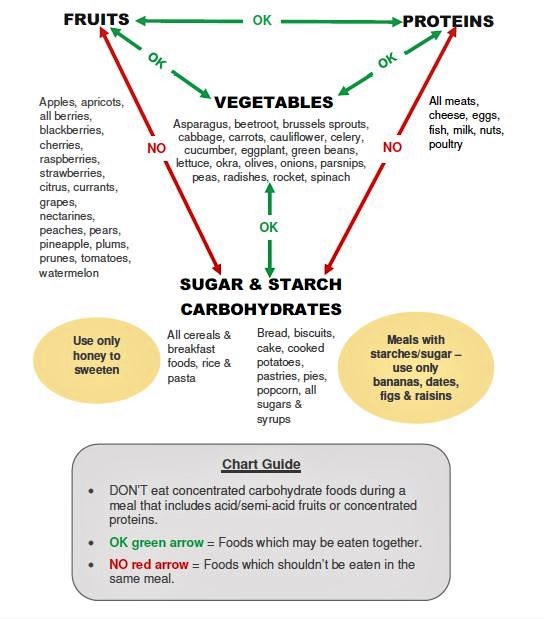
 (Walker, Diet & Salad, p.68. Adapted from his ‘Food-Control Guide’.)

Combined with exercise and following Dr Walker’s food combinations (pictured in the chart) as best I could, I have kept the same weight for the last 25 years and learned to LOVE the avocado!


Luscious Lycopene

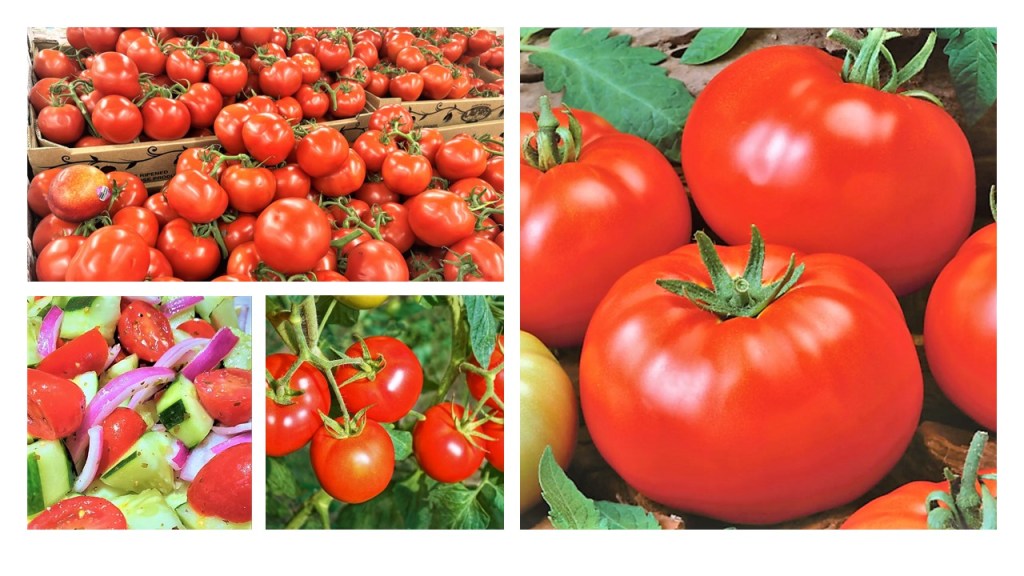
Tomatoes are red, luscious and lovely … and loaded with the antioxidant LYCOPENE. The redder the tomato, the more lycopene it has!  

It’s lycopene that gives tomatoes their bright red colour and helps protect them from the ultraviolet rays of the sun. In much the same way, they protect your own cells from damage. 

Tomatoes are rich in vitamins and minerals. They may help lower your levels of LDL or “bad” cholesterol, as well as your blood pressure, boosting your heart health. Observational studies have found lower incidences of prostate, lung and colon cancers among those consuming tomatoes – but more research is needed in this area. Carotenoids in tomatoes may also guard against breast cancers in women.

(‘Tomatoes 101: Nutrition Facts and Health Benefits’. From https://www.healthline.com/nutrition/foods/tomatoes)

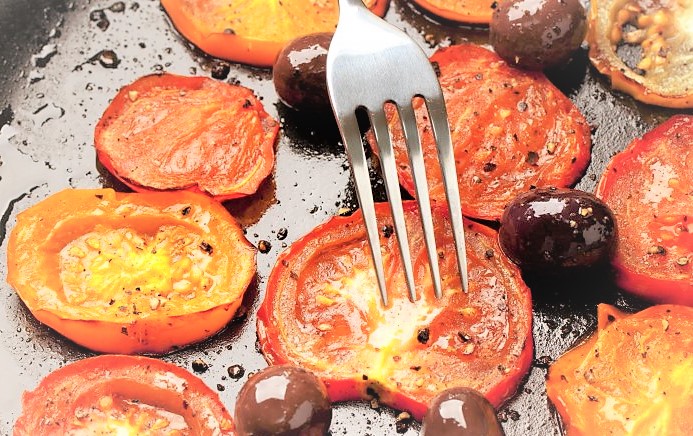
The lycopene in tomatoes is still effective when heated – so they’re just as nutritious even when cooked or processed. That’s good news for those who love cooking with them or in sauce (you can make your own ketchup at home without the added sugar!).

We mostly think of the tomato as a vegetable – but it is in fact an acid fruit. But when eaten raw without starches or sugars, it has an alkaline reaction. 

I prefer to have my tomatoes raw in a salad. Watch the video to see what I put in mine!


Water, please!

We neglect to drink enough water. Medical research has long supported the benefits of drinking plenty of water, from boosting energy levels to supporting kidney function. Water makes up the biggest part of your blood. It helps your joints, keeps your brain working properly and could even help your headache!

Apart from in our homes, I see this at cafés and food courts. Coffee or tea (which actually dehydrate) with a “sweet” snack, or that imminent bottle of soft drink that completes a lunch order.

But where’s that glass of water? 

Refined, high-starch foods literally soak up vast quantities of water as they go through our digestive systems. Laxatives do the same. 

Judith Wills’ A Flat Stomach in 15 days, talks about the importance of water in preventing constipation:

“ … it isn’t just fibre that keeps you regular. I believe that more constipation is caused by not drinking enough water or eating enough citrus fruit than ever was caused by not getting enough bran in your diet!

“Drinking a lot of water will not cause fluid retention, I can assure you. The surplus will simply be flushed immediately out of your system but all that water will keep you regular …”

(Wills, J. (1990). ‘A flat stomach in 15 days’, pp.28–29. Sphere Books Ltd: London.)

One of the visible signs of severe dehydration are dark circles under the eyes. 

Your older family members and friends should be reminded to drink enough water too: it can reduce the risk of urinary tract infections which are often accompanied by confusion and feeling disoriented.  

Lastly, we must remember our Colon, the large intestine. To get rid of the waste released by the small intestine, it needs water to form stools that can be eliminated completely and easily. (Hopefully, you’ve also now been having your apple and other fibre-rich foods!)

A TV ad tells us we need an anti-bacterial solution to get rid of the scum in our washing machines. Far more important are the leftovers in our Colon, that must complete its final rinse with water!   


The enzyme engine

Do you VALUE your LIFE? Then you must put a value on the food you eat. ENZYMES are the LIFE in your food!

Enzymes are present in raw fruits, vegetables and nuts. They are highly specialised protein molecules which act as catalysts to create chemical reactions that sustain and preserve life.

I didn’t know this until I read Dr Norman Walker’s book Diet and Salad nearly 40 years ago:

“ … the LIFE present in such nutrition has the property and the ability to regenerate and revitalise the LIFE within your cells and tissues in your body, daily and constantly.”

“As enzymes form the fundamental basis of nutrition, they should have our first consideration in the choice of our food.”

“Enzymes are sensitive to high temperatures. Up to about 125F (51°C) they are at the peak of their efficiency … food which has been subjected to temperatures above 130°F (54.5°C) loses its live nutritional value.”

(Walker, N.W. (1940/1970). ‘Diet & Salad’, pp. 8,9,15. Norwalk Press: Summertown, Tennessee.)

This is profound, and brings me back to the food-train we helped ourselves to in Singapore, which threw in slices of raw cucumber – the “salad” served to “cool” the heat in our curries!

In the mouth, stomach, intestines and through the entire digestive system, innumerable enzymes are involved in digesting and assimilating our food. Saliva, stimulated by chewing, produces our first digestive enzyme called amylase which digests starches like bread, pasta, rice and pastries.

We can handle this diet without much problem when we’re younger. But as we get older, our natural enzyme production decreases, and it is critical we eat more raw fruit, vegetables and nuts and freshly prepared food to stay well. We should avoid processed foods entirely. 

How do you encourage your enzymes to work? By picking an array of fruit, veg and nuts to allow you to properly chew, instead of simply having a smoothie to gulp down. 

  • Have an apple, or a handful of nuts with your banana or dried fruit
  • Chew on a carrot, celery, lettuce or fennel before your cooked meal.

When your enzymes work, so will your metabolism. I love the title of Henry Bieler MD’s 1960s book Food is Your Best Medicine. He says: 

“Metabolism, the sum of the processes by which the body’s fuel is converted to energy, relies heavily on enzymes, one of the basic keys of life.”

(Bieler, H.G. (1965/1973). ‘Food is Your Best Medicine’, p.55. Random House, Inc.: New York.) 

It’s a shame dieticians or health care professionals don’t convey this information to their clients. Standard diet sheets alone are not enough!

Health Coach Paula Rothstein writes that enzymes restore energy, reverse ageing, and strengthen the immune system. She recommends adding a digestive enzyme with our meal or on an empty stomach. 

Together with regular exercise and proper food that keeps you chewing, an enzyme supplement will help top up your enzyme bank. I take Vitalzym Extra Strength© everyday and find it helpful. There’s also Ubiquinol Bioactive Coenzyme Q10. Dr Ross Walker, a health presenter on Sydney’s 2GB Radio, recommends it for heart health & energy; you’ll easily find it at supplement stores. 

Starting your enzyme engine

  • Buy vegetables you and your family can actually CHEW on before dinner. No need to “dress” a salad either – simply wash the veggies. Minutes you spend preparing it will reward you with years of better health.  
  • When you’re out, take an apple and/or some nuts to have with a few dried dates or figs – and walk away from your regular snack outlets.
  • If you need to lose weight, getting on a regime of raw fruit, vegetables, nuts and unprocessed foods will start the engine!


‘Gold’ in Granny Green

SUPERFOODS? I’ve known about them for the last 35 years. What may not be obvious is that raw fruit and vegetables, healthy nuts, seeds and rolled oats, are also superfoods. But I do have a favourite … it’s the humble apple.

I found out its supreme benefits when it helped me last month, through 3 awful days of persistent nausea. Yes, I contracted Covid-19 for the first time. All I could keep down was intermittent sips of hot water steeped with ginger, 5mls of Arborvitae, and slivers of Granny Smith apples topped with lemon juice. I didn’t need to pop electrolyte medallions in water to keep hydrated or alive!  

Apples aid digestion and eliminate body toxins – and my goal was to eliminate the toxic virus!  

Slowly but surely, my homemade medley worked. By Day 4, I was devouring my first slice of sourdough toasted with cheese, and made a steady recovery from then on. I was back to normal in 3 weeks.  

It’s so disappointing that apples are not promoted in the same way as the star kakadu plum, kombucha, acai, or pomegranate. Obviously, there’s more money bottling the exotic rather than the ordinary – and at inflated prices too, I might add.  

Apples are also a great source of FIBRE. I only discovered how effective they were in keeping me ‘regular’ 3 years ago. My curiosity about colonics got the better of me, and I met Anna Paredes at the Colon Care Centre in Sydney. Anna has been practising as a Colon Hydrotherapist and Nutritionist for the past 25 years. During the procedure, she gave me an abdominal massage and detected gas pockets. She asked if I was taking the much-acclaimed psyllium husks. 

“Yes, I always add a tablespoon with my rolled oats.”

“Try an apple instead!”

“Really? Will that keep me regular?” (I had been guilty of avoiding apples in my lunch pack). 

“Have a large Granny Smith in the middle of the day, at least 3 hours after food and half an hour before. Don’t forget to drink your daily 2.5 to 3 litres of water. If you don’t believe me, just try it for a week!” 

It made sense. The Granny Smith’s cleansing effect and nutrients work best when the colon is sufficiently hydrated (it also has less sugar than red apples). It did what Anna told me, and I had no more gas pockets. 

Apart from fibre, apples have a low GI, are high in antioxidants, lower bad LDL cholesterol and raise good HDL cholesterol. They are rich in enzymes, electrolytes, potassium, calcium, iron, magnesium, vitamin B and C, phytonutrients, carotenoids, amino acids, flavonoids, amino-acids, and have anti-inflammatory properties. You get gut health for less than 70c a day!

While each superfood has unique benefits and is valuable for good health, I chose the apple because of its unique properties of enzymes and electrolytes. Also remember to have less fats, sugar and refined starches. Exercise regularly and your superfoods will make you SUPERFIT!